Aug 11, 2026
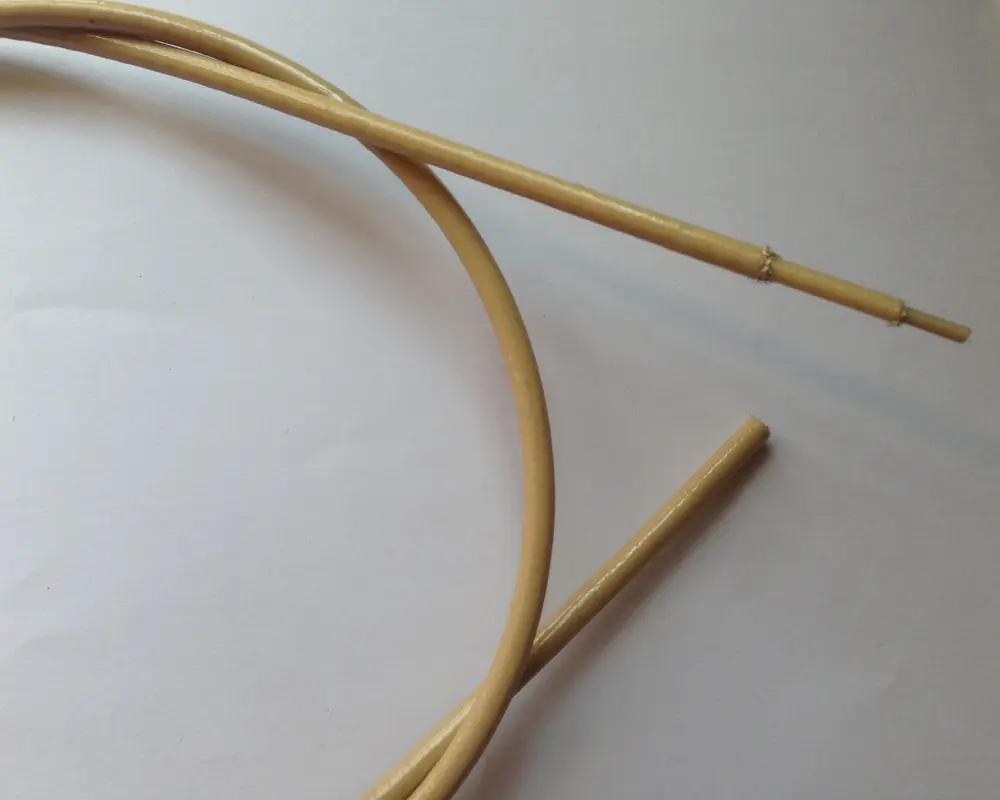
Als B2B-Käufer benötigen Sie einen Kabel für Hybrid-Elektrofahrzeuge Für Chassis- und Getriebeöle. Wichtige globale Zertifizierungen umfassen IATF 16949, USCAR-2, USCAR-21, ISO 16750-3, IEC 60068-2-64, SAE J1128/J1654, UL und CE. Diese Kabelstandards gewährleisten die Kabelsicherheit. Intelligente B2B-Einkäufer prüfen die Konformität, bevor sie jedes Kabel, ob kundenspezifisch, Strom-, Schirm- oder Sensorkabel, auswählen.Wichtigste ErkenntnisseDie IATF 16949-Zertifizierung garantiert eine fehlerfreie Fertigung und vollständige Rückverfolgbarkeit der Produkte bei kundenspezifischen Automobilkabeln.Die Normen ISO 16750-3 und USCAR-2 bestätigen die Beständigkeit der kundenspezifischen Kabel gegenüber starken Vibrationen und erheblicher mechanischer Beanspruchung.Durch Bestrahlung vernetzte Fluorpolymerisolierung schützt Stromkabel vor heißen Übertragungsflüssigkeiten und hohen Temperaturen.Kernzertifizierungen für Kabel von Hybrid-ElektrofahrzeugenBei der Auswahl eines Spezialkabels für Hybrid-Elektrofahrzeuge, das in modernen, hochbelasteten Umgebungen eingesetzt wird, müssen strenge Qualitätsmanagementstandards gelten. Intensive mechanische Vibrationen, extreme Temperaturspitzen und aggressive Getriebeöle gefährden permanent die Signalqualität in den Fahrwerksystemen. Industriestandards gewährleisten, dass jede Charge kundenspezifisch gefertigter Kabel strenge Anforderungen an die Haltbarkeit erfüllt.IATF 16949-Konformitätserklärung für Qualitätsmanagement in der AutomobilindustrieIATF 16949:2016 dient als Qualitätsstandard für fehlerfreie Fertigung und vollständige Rückverfolgbarkeit von Bauteilen in der Automobilindustrie. Dieser Standard etabliert strenge Kontrollen in jeder Produktionsphase. Sie gewährleisten maximale Betriebssicherheit, da dieses Qualitätsmanagementsystem Fertigungsfehler eliminiert, bevor kundenspezifische Teile Ihre Endfertigungslinie erreichen.AnforderungsbereichAnwendung im Bereich der kundenspezifischen KabelentwicklungSchlüsselverifizierungsnachweiseRisikoplanung (PFMEA)Identifiziert potenzielle Fehlerquellen beim Verpressen der Anschlüsse, beim Einstecken des Steckers und beim Abdichten.PFMEA-Dokument, Prozessablaufdiagramme, detaillierte Kontrollpläne.ProzesssteuerungLegt Toleranzbereiche für die Crimphöhe innerhalb von +/- 0,05 mm in Verbindung mit Zugkraftprüfungen fest.Applikator-Einrichtungsblätter, Protokolle zur Messung der Crimphöhe, Zugtestdaten.ChargenrückverfolgbarkeitVerbindet jedes fertige Kabel mit bestimmten Rohmaterialchargen und Produktionsbegleitern.Etiketten für Chargencodes, Produktionsbegleitpapiere, ERP-Systemdatensätze.ProduktionsfreigabeValidiert den gesamten Herstellungsprozess durch strenge Stichprobenprüfungen vor der Markteinführung.Genehmigtes PPAP-Paket, Teileeinreichungsbescheid (PSW).Führende Anbieter wie CITCABLE nutzen diese bewährten Verfahren bei der Entwicklung kundenspezifischer Kabelbäume. CITCABLE fertigt Hochleistungskabel für Hybrid- und Elektrofahrzeuge unter Verwendung fortschrittlicher, strahlungsvernetzter Fluorpolymere, darunter VITON, FKM und FPM. Diese Fluorpolymerformulierungen zeichnen sich durch hohe Flexibilität, Schutz vor Verstopfung durch Kapillarflüssigkeiten und hohe Stoßfestigkeit aus. Die präzise Materialauswahl gewährleistet zuverlässigen Schutz vor aggressiven Motorflüssigkeiten bei Temperaturen von 150 °C bis 200 °C und bis zu 250 °C. Die optimierte Kabelarchitektur vereinfacht die Fertigung und reduziert das Ausfallrisiko im beengten Motorraum.ISO 9001-Basisstandards für die FertigungISO 9001:2015 bildet die Grundlage für ein Qualitätsmanagementsystem, das eine gleichbleibende Produktion gewährleistet. Während die Vorschriften für Automobilkabel spezielle Bauteile regeln, sorgt ISO 9001 für operative Disziplin in allen Fertigungsbereichen.Intelligente B2B-Einkäufer bewerten ISO-Qualitätsprozesse, um die Werksdisziplin und die Qualitätskontrollroutinen zu überprüfen:Bei der Wareneingangskontrolle werden die Qualität der Rohleiter, die Reinheit der Schirmdrähte und die Rohmaterialien für die Kabelummantelung überprüft.Im Rahmen von Prozesskontrollen werden die Verdrillung der Leiterlitzen, die Extrusionskonsistenz und die Maßtoleranzen überwacht.Die abschließenden Prüfungen umfassen 100 % der fertigen Kabelkomponenten Tests auf Unterbrechung, Kurzschluss, Isolationswiderstand und dielektrische Festigkeit.Vorversandprüfungen bestätigen den kundenspezifischen Verpackungsschutz, die Richtigkeit der Etiketten und die Vollständigkeit der Bestelldokumentation.Diese strukturierte Basis gewährleistet eine gleichbleibende Fertigungsqualität über alle Serien hinweg. Zuverlässige Qualitätsprozesse garantieren eine robuste Isolierung der Innenleiter. Dadurch bietet jede fertige Kabelkonfektion einen stabilen elektrischen Widerstand und eine zuverlässige Signalübertragung auch unter dynamischer Belastung. Die Überprüfung dieser zentralen Qualitätszertifizierungen schafft umfassendes Vertrauen in die Lieferkette Ihrer Automobilprogramme.Prüfnormen für Vibrationen und mechanische StößeUm die zuverlässige Leistungsfähigkeit von Kabeln in anspruchsvollen Fahrzeugumgebungen zu gewährleisten, müssen strenge physikalische Prüfstandards eingehalten werden. Mechanische Belastungen setzen Kabelbäumen in stark beanspruchten Chassis-Umgebungen ständigen Gefahren aus. Intensive Motorschwingungen führen zu ständiger Materialermüdung entlang der elektrischen Leitungen im Motorraum. Standardkabel versagen unter diesen extremen Betriebsbedingungen schnell. Ingenieure müssen daher robuste Kabelkomponenten auswählen, die ihre elektrische Leistungsfähigkeit über eine lange Lebensdauer beibehalten.USCAR-2 Vibrationsstärke und AnschlussintegritätSie benötigen Steckverbinder und kundenspezifische Kabelbäume, die den USCAR-2-Anforderungen für Antriebsanwendungen entsprechen. Starke Stöße im Straßenverkehr gefährden ständig die Kontaktstifte an Hochspannungsstellen. USCAR-2 legt strenge Leistungskriterien und rigorose Prüfprotokolle für die Dauerhaftigkeitsprüfung in anspruchsvollen Automobilumgebungen fest.Direkter Zusammenhang mit der Zuverlässigkeit des Antriebsstrangs: Der Standard gewährleistet, dass die Verbindungen im Antriebsstrang auch unter härtesten Straßenbedingungen zuverlässig funktionieren.Auswirkungen auf die Systemlebensdauer: Die Kompatibilität der Steckverbinder erhöht die Systemlebensdauer direkt, da die Anschlüsse aktiv Korrosion und mechanischem Verschleiß widerstehen.Reduzierung von Feldausfällen: Hohe Verschleißfestigkeit reduziert Gewährleistungsansprüche und unerwartete Feldausfälle erheblich.Relevante Testprotokolle: Testverfahren bewerten die Bauteilbeständigkeit unter Salzsprühnebel, Temperaturwechseln und starker mechanischer Belastung.Die Anwendung intelligenter Montageprinzipien während der Entwicklung vereinfacht die Anschlussinstallation. Eine sichere Klemmenbefestigung verhindert Verschleiß an den einzelnen Kontaktstiften durch Mikrobewegungen. Durch die Einhaltung der USCAR-2-Norm wird eine stabile Signalqualität an allen Sensorkabelanschlüssen gewährleistet.Dynamische Lastprüfung nach ISO 16750-3 und IEC 60068-2-64Dynamische Belastungsprüfungen simulieren die kontinuierliche mechanische Schwingung im täglichen Fahrzeugbetrieb. ISO 16750-3 definiert die Anforderungen an die dynamische Beanspruchung, während IEC 60068-2-64 umfassende Prüfprotokolle für Zufallsschwingungen festlegt. Sie müssen nachweisen, dass die Isoliermaterialien flexibler Kabel mehrachsigen Bewegungen über lange Betriebszeiten ohne Materialermüdung standhalten. Die simulierten Belastungsbedingungen bilden anspruchsvolle Straßenbedingungen im Labor nach.Erforderliche Normen: Für die Prüfung ist ISO 16750-3 für mechanische Belastungen und ISO 16750-4 für klimatische Belastungen erforderlich.Warum das so wichtig ist: Diese Normen schreiben vor, dass Kabel Vibrationen, mechanischen Stößen, Feuchtigkeit, Staub, Korrosion und Eis standhalten müssen.Zweck: Die Einhaltung der Vorschriften verhindert Isolationsausfälle und gewährleistet ein stabiles Laden und Sicherheit bei Hybrid-Elektrofahrzeugen.Starke mechanische Belastung kann die Kupferlitzen im Inneren des Kabels mit der Zeit beschädigen. Ein robustes Schirmkabel muss daher auch bei starken Bewegungen des Gehäuses eine unterbrechungsfreie Erdung gewährleisten. Die Auswahl spezieller Materialien schützt Hochspannungskabel vor Reibungsschäden an umgebenden Rahmenkonstruktionen. Moderne Isoliermäntel schützen den Kabelkern vor Beschädigungen durch extreme dynamische Belastungen.Die Anwendung dieser Prüfstandards optimiert den gesamten Kabelkonfektionierungsprozess. Standardisierte Prüfungen verbessern die Herstellbarkeit bei Serienfertigung. Die Qualitätsvalidierung belegt, dass jede Kabeleinheit auch in Bereichen mit starken Vibrationen ihre strukturelle Integrität beibehält. Durch die Prüfung zertifizierter Prüfberichte vor der Auswahl Ihres Kabellieferanten vermeiden Sie kostspielige Fahrzeugrückrufe.Zertifizierungen und Sicherheitsbestimmungen für HochspannungskabelHochspannungs-Hybrid-Elektrofahrzeug-KabelverdrahtungsstandardsSie müssen Hochspannungszertifizierungen prüfen, um kritische elektrische Schaltungen vor dauerhafter dynamischer Belastung zu schützen. Moderne Fahrzeugkonstruktionen verwenden gemäß UN GTR Nr. 20 eine obligatorische orangefarbene Kennzeichnung der Hochspannungsleitungen. Konstrukteure spezifizieren die Normen SAE J1654 und SAE J1128 für die elektrische Leistung, Flammwidrigkeit und Umweltbeständigkeit von Primärkabeln. Beispielsweise stuft SAE J1654-1994 jede Hochspannungsleitung auf 600 V ein, während ISO 19642-5 höhere Kategorien bis zu 1500 V DC definiert. Eine ausreichende Isolationsdicke verhindert einen katastrophalen dielektrischen Durchschlag in beengten Motorräumen.Eine robuste Metallabschirmung bietet essenziellen Schutz vor elektromagnetischen Störungen (EMI) und Hochfrequenzstörungen (RFI) in der Nähe von Hochleistungswechselrichtern. CITCABLE liefert die Flexibles, vibrationsfestes und hitzebeständiges Kabel Um extremen Betriebsbedingungen im Motorraum standzuhalten, schützen fortschrittliche, strahlungsvernetzte Fluorpolymere dieses Kabel für Hybrid-Elektrofahrzeuge vor aggressivem Getriebeöl. Eine spezielle Anti-Kapillar-Technologie verhindert die Migration von Flüssigkeit entlang der internen Kupferlitzen zwischen 150 °C und 250 °C. Diese robuste Konstruktion gewährleistet die langfristige Integrität der Kabelführung entlang des gesamten Chassis und bei individuellen Kabelverläufen.Leistungsfähigkeit der mechanischen Crimpverbindung USCAR-21USCAR-21 definiert strenge Prüfprotokolle für mechanische Crimpverbindungen in hochbelasteten Kfz-Kabelbäumen. Dynamische Motorvibrationen können die Crimpverbindungen während des Fahrzeugbetriebs kontinuierlich beschädigen. Die Integrität der Crimpverbindungen muss daher überprüft werden, um Widerstandsspitzen an den Schnittstellen der Schirmkabel und den sekundären Kabeladern zu vermeiden.Intelligente B2B-Einkäufer fordern bei der Lieferantenauswahl die Einhaltung der USCAR-21-Norm. Präzise Crimp-Geometrie verbessert die Fertigungsfreundlichkeit bei der automatisierten Kabelbaumproduktion. Sichere Anschlusskontakte gewährleisten einen unterbrechungsfreien Stromfluss an jeder Sensorkabelverbindung und jedem Hochleistungskabelanschluss. Standardisierte Tests optimieren den Endmontageprozess des Kabelbaums. Eine sorgfältige Qualitätsprüfung gibt Ihnen volles Vertrauen in die langfristige Sicherheit Ihrer Motorkabelbäume.Umweltbeständigkeit und EntflammbarkeitsstandardsIP67- und IP69K-Abdichtung unter starker SchwingungStrenge Fahrgestellschwingungstests beanspruchen jede einzelne Kabelverbindung in modernen Fahrzeugen. Sie benötigen Schutzstandards, die das Eindringen von Flüssigkeiten während der dynamischen Bewegung verhindern. Spezielle Komponenten wie die Flexibles VITON-Bremskabel (ABS) dichte Umweltdichtungen aufrechterhalten.Die Standard-Bewertungsspezifikationen schreiben strenge Parameter für die Umweltverträglichkeitsprüfung vor:BewertungTestbedingungSpezifischer ParameterIP67Eintauchen in stilles WasserTiefe: 15 cm bis 1 m; Dauer: 30 MinutenIP69KHochdruck- und HochtemperaturreinigungAbstand: 10–15 cm; Wassertemperatur: 80 °C; Druck: 1160–1450 psi; Drehteller: 5 U/minIEC 60529 Abschnitt 14.2.7 spezifiziert den IP67-Test wie folgt: 1 Meter Eintauchen für 30 Minuten, was einem vollständigen Eintauchtest entspricht, der über die Bedingungen von Sprühregen hinausgeht.Anforderungen an Flammschutzmittel gemäß UL 94-V0 und CE-KennzeichnungDer Brandschutz erfordert strenge Materialnormen für jedes Modul des Hybridantriebsstrangs. Elektrische Systeme werden durch die Angabe der Brennbarkeitsklasse UL 94-V0 geschützt.UL 94 V-0 ist ein weithin anerkannter Entflammbarkeitsstandard, der bei Komponenten von Elektrofahrzeugbatterien Anwendung findet und vorschreibt, dass die Materialien innerhalb von 10 Sekunden selbstverlöschend sein müssen, ohne dass brennende Tropfen entstehen.Dieser vertikale Brenntest stellt sicher, dass jede Hochspannungskabeleinheit lokale Fehler aufweist. Zusätzliche Normen wie IEC 60332-1, FMVSS 302, ISO 6722-1 und ISO 14572 bestätigen die Flammbeständigkeit für einadrige und mehradrige Kabel.Intelligente B2B-Käufer prüfen die Flammwidrigkeit jeder einzelnen Mantelschicht und der primären Isolierung. Hochtemperatur-Fluorpolymer schützt die Leiter in jeder Stromleitung und die Schirmung der Kabelverbindungen. Sie überprüfen die CE-Kennzeichnung, um die Marktreife Ihres fertigen Kabelbaums zu bestätigen. Umfassende Tests gewährleisten die Sicherheit jeder Sensorkabelführung, jeder Fahrzeugkabelführung und jedes Hybridkabellayouts. Sie überprüfen die ISO 9001-Qualitätsprüfung für jede Kabelcharge. Intelligente B2B-Einkäufer wählen CITCABLE als Partner für die Ablösung von PEEK-Kabellinien. Unsere vernetzten Kabel für Hybrid- und Elektrofahrzeuge verbessern die Vibrationsfestigkeit aller Strom-, Schirm-, Motor-, Sensor- und kundenspezifischen Kabel. Kontaktieren Sie CITCABLE noch heute für PPAP-Dokumentation und technische Beratung.Häufig gestellte FragenWelche Zertifizierung garantiert eine fehlerfreie Fertigung von kundenspezifischen Kabeln?Sie sollten die Einhaltung der IATF 16949-Norm überprüfen. Dieser Qualitätsstandard für die Automobilindustrie gewährleistet die vollständige Rückverfolgbarkeit der Chargen und schließt Prozessfehler bei der kundenspezifischen Kabelproduktion aus.Wie überprüfen B2B-Käufer die dynamische Vibrationsfestigkeit von kundenspezifischen Kabeln?Sie müssen zertifizierte Prüfberichte für ISO 16750-3 anfordern. Diese Normen bestätigen die strukturelle Integrität jedes Schirmkabels unter mehrachsigen dynamischen Belastungen.Welche thermische Schutzklasse bietet ein Stromkabel gegenüber Übertragungsflüssigkeit?Sie benötigen eine strahlungsvernetzte Fluorpolymerisolierung. CITCABLE entwickelt jedes Kabel für Hybrid-Elektrofahrzeuge so, dass es aggressiven Flüssigkeiten bei Temperaturen von 150 °C bis 250 °C standhält.
MEHR LESEN


 IPv6-Netzwerk unterstützt