Jul 28, 2026
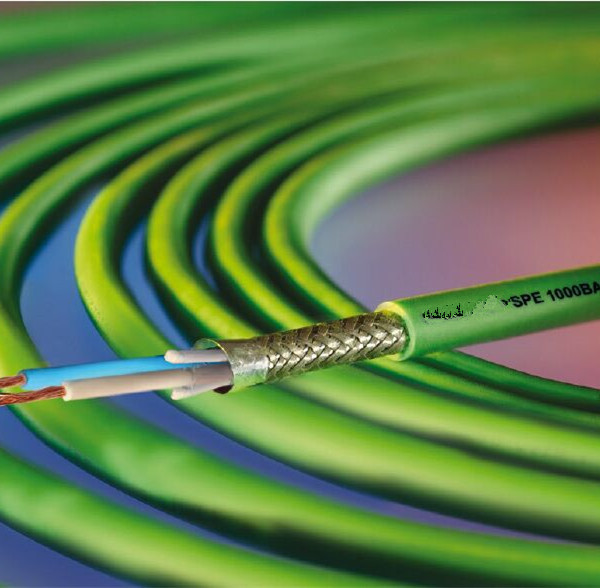
KOSTENLOSES PFAS-KABEL Wir bieten eine Lösung für Ihr Unternehmen, die Sicherheit und Nachhaltigkeit in den Vordergrund stellt. Mit PFAS-freiem Kabel eliminieren Sie die Risiken, die mit PFAS, oft auch als „Ewigkeitschemikalien“ bezeichnet, verbunden sind. Diese Chemikalien stellen nachweislich Gefahren dar – Studien zeigen, dass mindestens 97 % der US-Amerikaner PFAS im Körper haben, was das Krebsrisiko erhöht und bei Kindern Entwicklungsstörungen verursachen kann. Aufsichtsbehörden setzen daher strenge Grenzwerte und drängen Unternehmen zur Verwendung von PFAS-freiem Kabel. Schützen Sie Ihren Arbeitsplatz und die Umwelt, indem Sie sich für PFAS-freies Kabel entscheiden. Dieser Ansatz gewährleistet, dass Ihre Kabel den sich ständig weiterentwickelnden Standards entsprechen und Ihre Betriebsabläufe sicher sind.Wichtigste ErkenntnisseMit der Wahl von FREE PFAS CABLE eliminieren Sie schädliche „Ewigkeitschemikalien“ aus Ihrem Unternehmen und erhöhen so die Sicherheit für Mitarbeiter und Kunden.PFAS-freie Lösungen helfen Ihnen, strenge Vorschriften einzuhalten, rechtliche Risiken zu reduzieren und sicherzustellen, dass Ihre Betriebsabläufe den sich wandelnden Standards entsprechen.Die Auswahl PFAS-freier Kabel unterstützt die ökologische Nachhaltigkeit, trägt zu saubererer Luft und saubererem Wasser bei und demonstriert gleichzeitig unternehmerische Verantwortung.Die Investition in PFAS-freie Produkte kann die langfristigen Kosten senken, indem Strafen und Sanierungskosten im Zusammenhang mit Nichteinhaltung vermieden werden.Setzen Sie bei der Auswahl von Kabeln auf Transparenz der Inhaltsstoffe und Zertifizierungen, um die Sicherheit zu gewährleisten und versteckte Risiken in Ihrer Lieferkette zu reduzieren.PFAS in der KabelherstellungWas sind PFAS?PFAS kommen in vielen industriellen Anwendungen vor. Es handelt sich dabei um synthetische Chemikalien, die Hersteller zur Herstellung von Fluorpolymeren verwenden. Diese Verbindungen finden sich in Drähten, Kabeln und deren Verpackungen. PFAS-Beschichtungen sorgen für Langlebigkeit und Hitzebeständigkeit. PFAS sind auch in Baumaterialien wie Bodenbelägen, Teppichen, Klebstoffen und Dichtstoffen enthalten. Sie tragen dazu bei, dass Produkte flecken- und feuchtigkeitsbeständiger sind. Hersteller nutzen PFAS zur Isolierung, da sie dünnere und flexiblere Ummantelungen ermöglichen. PFAS in Baumaterialien verbessern zudem die Leistungsfähigkeit in rauen Umgebungen.PFAS-Chemikalien werden bei der Kabelherstellung zur Produktion von Fluorpolymerverbindungen verwendet, die in bestimmten Drähten, Kabeln und deren Verpackungen enthalten sind.PFAS-Risiken für Gesundheit und UmweltSie müssen die Gesundheits- und Umweltrisiken von PFAS berücksichtigen. PFAS-Belastung wird mit Krebs und Hormonstörungen in Verbindung gebracht. PFAS in Baumaterialien wie Bodenbelägen, Teppichen, Klebstoffen und Dichtstoffen können Schadstoffe freisetzen. PFAS-Beschichtungen können in die Umwelt gelangen und Wasser und Boden belasten. PFAS finden sich nicht nur in Kabeln, sondern auch in Teppichen und Bodenbelägen, was das Belastungsrisiko erhöht. PFAS in Klebstoffen und Dichtstoffen können die Raumluft verunreinigen. PFAS verbleiben jahrelang in Baumaterialien und sind daher schwer zu entfernen.KrebsartErgebnisseBrustkrebsPositiver Zusammenhang mit den PFOS-Konzentrationen im Serum vor der Diagnose, insbesondere bei hormonrezeptorpositiven Tumoren.Eierstock- und GebärmutterkrebsErste Studie zur Bewertung der persönlichen PFAS-Exposition mittels serologischer Tests vor der Diagnose.ProstatakrebsEs wurde kein Zusammenhang zwischen erhöhten PFAS-Konzentrationen im Serum und dem Risiko für aggressiven Prostatakrebs festgestellt.HodenkrebsErhöhte PFOS-Blutwerte sind mit einem höheren Risiko für die Entwicklung von Hodenkrebs bei Feuerwehrleuten verbunden.Der Einsatz von PFAS in diesen Anwendungen ist aufgrund potenzieller gesundheitlicher Auswirkungen reguliert, was die Notwendigkeit der Einhaltung der Vorschriften durch die Branche unterstreicht.In der Branche besteht ein wachsender Bedarf an Transparenz und Einhaltung der Vorschriften hinsichtlich des Vorhandenseins von PFAS in Produkten.Warum PFAS-frei wichtig istSie profitieren von Vorteilen durch die Wahl PFAS-freier Lösungen. PFAS-freie Kabel reduzieren das Expositionsrisiko für Ihre Mitarbeiter und Kunden. PFAS-freie Beschichtungen schonen die Umwelt und unterstützen Nachhaltigkeitsziele. PFAS-freie Kleb- und Dichtstoffe helfen Ihnen, gesetzliche Vorgaben zu erfüllen. PFAS-freie Bodenbeläge und Teppiche verbessern die Raumluftqualität. PFAS-freie Beschichtungen verhindern Kontaminationen und sorgen für sicherere Arbeitsplätze. Mit PFAS-freien Produkten vermeiden Sie Haftungsrisiken und Lieferkettenunterbrechungen.Die proaktive Einhaltung der PFAS-Vorschriften ist ein Wettbewerbsvorteil. Wer sich nicht an die sich ständig weiterentwickelnden PFAS-Anforderungen anpasst, riskiert unterbrochene Lieferketten, beeinträchtigte Produktintegrität, Marktverlust und potenzielle rechtliche Konsequenzen.Die Einhaltung der PFAS-Grenzwerte gewinnt bei der Beschaffung zunehmend an Bedeutung. Diese langlebigen Chemikalien stehen unter verstärkter Beobachtung von Aufsichtsbehörden, Investoren und Endverbrauchern.Sie können sich für PFAS-freies Drahtkabel entscheiden – eine sicherere und normkonforme Wahl, die den Branchentrends entspricht und Ihr Unternehmen schützt.Vorteile von kostenlosem PFAS-KabelSicherheit und KonformitätSie schützen Ihr Unternehmen durch die Wahl PFAS-freier Kabel. Sicherheit hat in Branchen, in denen der Kontakt mit Chemikalien Gesundheit und Betriebsabläufe gefährden kann, höchste Priorität. PFAS-freie Lösungen helfen Ihnen, Kontaminationen zu vermeiden und strenge Sicherheitsstandards zu erfüllen. In Bereichen wie der Lebensmittelverarbeitung, der Wasseraufbereitung und dem Gesundheitswesen ergeben sich klare Vorteile. Die folgende Tabelle zeigt, wie PFAS-freie Kabel die Sicherheit in diesen kritischen Bereichen unterstützen:UmfeldSicherheitsvorteileLebensmittelverarbeitungVerhindert chemische Verunreinigungen, erfüllt die Standards der FDA/USDA und gewährleistet Hygiene.WasseraufbereitungVerringert das Risiko des Auswaschens von Chemikalien in das TrinkwasserGesundheitspflegeMinimiert das chemische Risiko zum Schutz von Patienten und empfindlichen ProzessenSie erreichen die Einhaltung internationaler Sicherheitsstandards durch ein strukturiertes Vorgehen. Sie auditieren Lieferanten, bewerten Rohstoffe und stellen auf sicherere Alternativen um. Sie führen Laboranalysen durch, um Verunreinigungen aufzudecken und sich an sich ändernde Vorschriften anzupassen. Sie schulen Ihre Teams und führen Aufzeichnungen, um erneute Verunreinigungen zu verhindern. Unternehmen, die jetzt handeln, gestalten den Wandel hin zu saubereren, konformen und zukunftsfähigen Produkten. Zögern Sie, riskieren Sie Rückrufe, rechtliche Strafen und Reputationsschäden.Die fragmentierte Regulierungslandschaft im Bereich PFAS stellt Einzelhändler und Hersteller vor Herausforderungen, da verschiedene Staaten PFAS-Verbote oder Offenlegungspflichten erlassen haben, was die Einhaltung der Vorschriften zu einer komplexen und fortlaufenden Aufgabe macht.UmweltschutzSie unterstützen den Umweltschutz, indem Sie PFAS-freie Kabel wählen. PFAS-Chemikalien verbleiben jahrzehntelang in Boden und Wasser. Durch den Verzicht auf PFAS in Ihrer Lieferkette reduzieren Sie das Risiko von Umweltverschmutzungen. PFAS-freie Materialien helfen Ihnen, Ihre Nachhaltigkeitsziele zu erreichen und unternehmerische Verantwortung zu demonstrieren. Sie tragen zu saubererer Luft und saubererem Wasser bei, indem Sie auf PFAS in Klebstoffen, Dichtstoffen und Beschichtungen verzichten. Zudem minimieren Sie Abfall und vermeiden kostspielige Sanierungsmaßnahmen. PFAS-freie Lösungen entsprechen den globalen Trends hin zu umweltfreundlicherer Produktion und verantwortungsvoller Beschaffung.LeistungsvorteileMit PFAS-freien Kabeln erzielen Sie Leistungsvorteile. PFAS-freie Silikonkabel bieten hohe Flexibilität und Hitzebeständigkeit. Da diese Kabel halogenfrei sind, vermeiden Sie die Freisetzung giftiger Gase im Brandfall. Sie profitieren von zuverlässiger elektrischer Leitfähigkeit auch bei niedrigen Datenraten. Die folgende Tabelle vergleicht PFAS-freie Kabel mit herkömmlichen Fluorpolymerkabeln:LeistungsaspektPFAS-freie Kabel (Silikon)Traditionelle FluorpolymerkabelHaltbarkeitHohe Flexibilität und HitzebeständigkeitVariiert, im Allgemeinen weniger flexibelFeuerbeständigkeithalogenfrei, keine giftigen GaseKann im Brandfall giftige Gase freisetzenElektrische LeitfähigkeitGeeignet für niedrige DatenratenIm Allgemeinen besser geeignet für hohe DatenratenSie stellen fest, dass PFAS-freie Materialien die Leistungsstandards in anspruchsvollen Industrieumgebungen erfüllen oder sogar übertreffen. Greene Tweed hat PFAS-freie Elastomere und Thermoplaste entwickelt, die ihre Leistungsfähigkeit beibehalten. Sie sehen vielversprechende Ergebnisse in Halbleiteranwendungen, darunter ausgezeichnete Druckverformungsbeständigkeit, Plasmabeständigkeit und Beibehaltung der Hochtemperatureigenschaften. PFAS-freie thermoplastische Verbundwerkstoffe, wie z. B. vernetztes PEEK, weisen im Vergleich zu herkömmlichen PFAS-basierten Materialien überlegene tribologische Eigenschaften und chemische Beständigkeit auf.PFAS-freies Kabel als sicherere WahlSie sichern Ihr Unternehmen durch die Wahl KABEL OHNE PFASDieses Kabel ist 100 % PFA-frei und erfüllt die strengeren Vorschriften globaler und nationaler Behörden. Sie minimieren Compliance-Risiken und gewährleisten dauerhafte Sicherheit. Sie verlassen sich auf bewährte Leistung in anspruchsvollen Umgebungen wie Synchrotrons und Teilchenbeschleunigern. Das Kabel zeichnet sich durch außergewöhnliche Langlebigkeit und Kompatibilität aus und ist daher ideal für Hochrisikoanwendungen. Mit einem Kabel, das sich an die sich entwickelnden Sicherheitsrahmen anpasst, sind Sie für zukünftige Vorschriften gerüstet. Schützen Sie Ihr Unternehmen, Ihr Team und Ihren Ruf mit einer sicheren und zukunftssicheren Lösung.Die Einhaltung gesetzlicher Vorschriften wird mit PFAS-freien Drahtkabeln einfacher.Die bewährte Leistungsfähigkeit gewährleistet Zuverlässigkeit bei kritischen Anwendungen.Die Zukunftsfähigkeit Ihres Unternehmens unterstützt die fortlaufende Einhaltung von Vorschriften und die Sicherheit.Sie treffen eine strategische Entscheidung, wenn Sie sich für PFAS-freies Kabel für Ihre geschäftlichen Anforderungen entscheiden.Auswahl PFAS-freier LösungenWichtigste AuswahlkriterienBei der Auswahl PFAS-freier Kabellösungen für Ihr Unternehmen müssen Sie verschiedene Faktoren berücksichtigen. Transparenz der Inhaltsstoffe hat dabei höchste Priorität. Hersteller sollten die Inhaltsstoffe für mindestens 99 % des Produkts bei einer Konzentration von 100 ppm offenlegen. Deklarationsetiketten helfen Ihnen, die Einhaltung der Vorschriften und die Produktsicherheit zu überprüfen. Die Living Product Challenge-Zertifizierung signalisiert ein Engagement für Nachhaltigkeit. Fordern Sie eine detaillierte Beschreibung des Produktdesigns und eine vollständige Liste der Inhaltsstoffe an. Diese Kriterien gewährleisten, dass Sie versteckte PFAS-Risiken vermeiden und einen sicheren Arbeitsplatz gewährleisten.KriterienBeschreibungTransparenz der InhaltsstoffeFür die Produkte muss eine transparente Zusammensetzung der Inhaltsstoffe von mindestens 99 % bei einer Konzentration von 100 ppm (0,01 %) vorliegen.DeklarationsetikettKabel- oder Drahtprodukte sollten mit einem aktiven Deklarationsetikett mit Angabe des jeweiligen Deklarationsstatus versehen sein.Herausforderung für lebende ProdukteDie Produkte sollten über eine Zertifizierung nach dem Living Product Challenge-Standard verfügen.DokumentationEine detaillierte Designbeschreibung und eine Liste der Produktinhaltsstoffe, die 99+% der Produktbestandteile auflistet, sind erforderlich.Sie schützen Ihr Unternehmen, indem Sie von Ihren Lieferanten Transparenz und Zertifizierung der Inhaltsstoffe fordern. Dieser Ansatz reduziert die PFAS-Belastung und unterstützt die Einhaltung der Vorschriften.Zertifizierung und StandardsVor dem Kauf von PFAS-freien Kabeln sollten Sie Zertifizierungen und Standards prüfen. Declare-Labels und Zertifizierungen der Living Product Challenge bestätigen, dass die Produkte strenge Umwelt- und Gesundheitsauflagen erfüllen. Vergleichen Sie Kosten und Verfügbarkeit. PFAS-freie Kabel sind zwar oft teurer als herkömmliche Kunststoffkabel, aber häufig günstiger als teure Fluorpolymere wie FEP. Die Kosten für die Nichteinhaltung der Vorschriften können den Aufpreis für PFAS-freie Kabel übersteigen, daher ist die Einhaltung der Vorschriften eine sinnvolle Investition.KabeltypKostenvergleichPFAS-freie KabelKann im Vergleich zu Standardkunststoffen einen höheren Preis haben.Hochpreisige FluorpolymereOftmals günstiger als Fluorpolymere wie FEPKosten der NichteinhaltungHöher als der Aufpreis für PFAS-freie KabelDurch die Wahl zertifizierter PFA-freier Lösungen vermeiden Sie kostspielige Strafen und Lieferkettenunterbrechungen. Diese Strategie trägt zur langfristigen Nachhaltigkeit Ihres Unternehmens bei.Halogenfreies Silikonkabel für spezielle AnforderungenIn extremen Umgebungen stehen Sie vor besonderen Herausforderungen. Halogenfreie Silikonkabel bieten zuverlässige Leistung bei hohen Temperaturen und unter korrosiven Bedingungen. Silikonbasierte Verbindungen sind bis +200 °C temperaturbeständig und zeichnen sich durch hohe Flexibilität und hervorragende Haltbarkeit aus. Sie profitieren von sichereren Betriebsabläufen und reduzierten Schadstoffemissionen. Dieses Kabel eignet sich für Branchen, die eine robuste Isolierung und minimale Umweltbelastung erfordern. Sie finden bei uns auch PFA-freie Teppiche und andere Materialien, die Ihre Nachhaltigkeitsziele unterstützen.MaterialartTemperaturbereichFlexibilitätHaltbarkeitFluorpolymere (PTFE)-200 °C bis +260 °CHochExzellentVernetztes Polyethylen (XLPE)Mäßige ExtremeMäßigGutEthylen-Propylen-Kautschuk (EPR)Mäßige ExtremeGutGutSilikonbasierte VerbindungenBis zu +200 °CHochExzellentSie verbessern die Sicherheit und Compliance Ihres Unternehmens durch die Auswahl von halogenfreies Silikonkabel für spezielle Anwendungen. Diese Wahl unterstreicht Ihr Engagement für PFA-freie Lösungen und Umweltverantwortung. Sie erzielen klare Vorteile, wenn Sie sich für PFAS-freie Kabel für Ihr Unternehmen entscheiden.In Lebensmittel- und Wasserumgebungen sinken die Gesundheitsrisiken.Die Einhaltung sich ändernder Vorschriften wird einfacher.Sie schützen die öffentliche Gesundheit in Sektoren wie dem Gesundheitswesen und der Lebensmittelsicherheit.AspektNutzenUmweltauswirkungenPFAS-freie Lösungen reduzieren schädliche SubstanzenInnenraumluftqualitätEmissionsarme Materialien verbessern Arbeitsplätze.Langfristige HaftungGeringere Risiken bei BauprojektenSie positionieren Ihr Unternehmen für langfristigen Erfolg, indem Sie fundierte Entscheidungen treffen. Zudem steigern Sie Ihre Wettbewerbsfähigkeit mit Lösungen wie halogenfreiem Silikonkabel. Häufig gestellte FragenWarum ist FREE PFAS CABLE eine sicherere Option für Ihr Unternehmen?Sie entscheiden sich für das PFAS-freie Kabel, um den Kontakt mit schädlichen Chemikalien zu vermeiden. Dieses Kabel unterstützt die Einhaltung strenger Vorschriften und trägt zu einem sicheren Arbeitsplatz bei. Mit dieser fortschrittlichen Lösung schützen Sie Ihr Team und die Umwelt.Wie trägt PFAS-freies Drahtkabel zur Einhaltung gesetzlicher Vorschriften bei?Sie wählen PFAS-freies Kabel, um den sich wandelnden Branchenstandards gerecht zu werden. Dieses Kabel enthält keinerlei PFAS und reduziert somit rechtliche Risiken. Sie stellen sicher, dass Ihr Unternehmen regulatorischen Änderungen stets einen Schritt voraus ist und vermeiden kostspielige Strafen.Können PFAS-freie Kabel mit der Leistung herkömmlicher Kabel mithalten?Mit PFAS-freien Kabeln erleben Sie zuverlässige Leistung. Diese Kabel bieten hohe Flexibilität, Langlebigkeit und Hitzebeständigkeit. Sie können sie in anspruchsvollen Umgebungen einsetzen, ohne Kompromisse bei Qualität oder Sicherheit einzugehen.Wo sollte man halogenfreies Silikonkabel verwenden?Halogenfreies Silikonkabel wird in Umgebungen mit hohen Temperaturen oder korrosiven Bedingungen verlegt. Es eignet sich für die Lebensmittelverarbeitung, das Gesundheitswesen und Reinräume. Sie profitieren von reduzierten Schadstoffemissionen und erhöhter Sicherheit.Sind PFAS-freie Kabel für Ihr Unternehmen kosteneffektiv?Sie werden feststellen, dass PFAS-freie Kabel günstiger sind als hochwertige Fluorpolymerkabel. Sie vermeiden Kosten im Zusammenhang mit Nichteinhaltung von Vorschriften und Umweltsanierung. Sie investieren in langfristige Sicherheit und Nachhaltigkeit.
MEHR LESEN


 IPv6-Netzwerk unterstützt