Jul 20, 2026
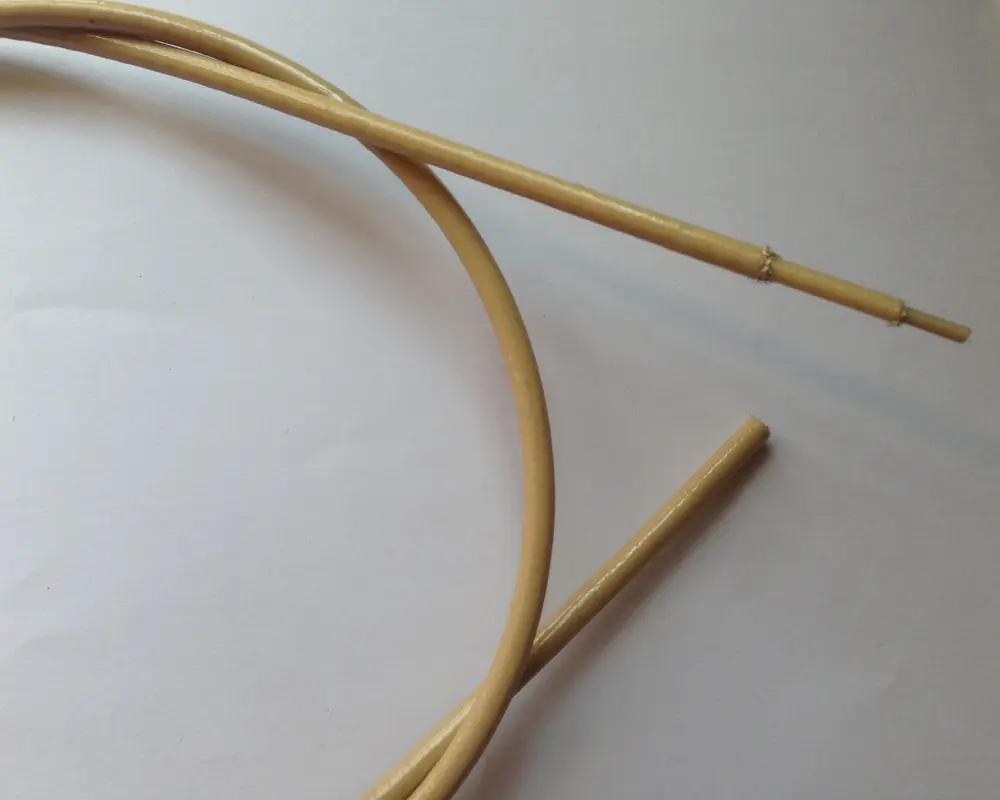
Wenn Sie installieren PEEK-Draht und -Kabel In industriellen Umgebungen hat Ihre Detailgenauigkeit direkten Einfluss auf Sicherheit und Zuverlässigkeit. Fehlerhafte Installationen führen zu erheblichen Ausfallraten, wie nachfolgend dargestellt:Wählen Sie das richtige Kabel, verwenden Sie zugelassene Werkzeuge und befolgen Sie bewährte Verfahren, um Risiken zu minimieren. Bereiten Sie sich stets gründlich vor und vermeiden Sie Abkürzungen, um eine dauerhafte Leistung zu gewährleisten.Wichtigste ErkenntnisseHalten Sie vor Beginn der Installation stets das richtige Werkzeug und die erforderliche Schutzausrüstung bereit. Verwenden Sie isolierte Abisolierzangen, Kabelschneider und persönliche Schutzausrüstung, um die Sicherheit zu gewährleisten.Wählen Sie den passenden PEEK-Draht und das passende Kabel entsprechend den Anforderungen Ihrer Anwendung. Prüfen Sie jedes Kabel vor der Installation auf Beschädigungen und die Einhaltung der Sicherheitsstandards.Um Beschädigungen zu vermeiden, befolgen Sie die korrekten Kabelverlegungsmethoden. Halten Sie einen minimalen Biegeradius ein und vermeiden Sie enge Biegungen, um die Unversehrtheit des Kabels während der Installation zu gewährleisten.Vorbereitung der PEEK-Draht- und KabelinstallationWerkzeuge und SchutzausrüstungFür jede Installation benötigen Sie das richtige Werkzeug und die passende Schutzausrüstung. Halten Sie isolierte Abisolierzangen, Kabelschneider, Maßbänder und Drehmomentschlüssel bereit. Tragen Sie stets persönliche Schutzausrüstung (PSA) wie Schutzbrille, Handschuhe und flammhemmende Kleidung. Für sicheres Bündeln verwenden Sie PEEK-Kabelbinder, die hohen Temperaturen und aggressiven Chemikalien standhalten. Diese Werkzeuge und Ausrüstung schützen Sie vor elektrischen Gefahren und gewährleisten eine präzise und beschädigungsfreie Installation.Materialauswahl und -prüfungDie Auswahl des richtigen CITC-fähigen PEEK-Kabels ist entscheidend für Sicherheit und Leistung. Prüfen Sie die Anforderungen Ihrer Anwendung und gleichen Sie diese mit den spezifischen Eigenschaften des Produkts ab. Die folgende Tabelle listet die wichtigsten zu berücksichtigenden Merkmale auf:BesonderheitBeschreibungHitzebeständigkeitHält extremen Temperaturen stand und ist ideal für Umgebungen mit hohen Temperaturen.Chemische BeständigkeitWidersteht dem Kontakt mit aggressiven Chemikalien.AnpassbarkeitBietet Optionen für Größe, Leitermaterial und Wandstärke.Mechanische EigenschaftenBietet Langlebigkeit und Flexibilität für anspruchsvolle Installationen.TemperaturbereichFunktioniert zuverlässig bis zu 260°C.AnwendungenEinsatzgebiete: Luft- und Raumfahrt, Automobilindustrie, Automatisierungstechnik und Energieerzeugung.Prüfen Sie jedes Kabel auf sichtbare Schäden, korrekte Kennzeichnung und Übereinstimmung mit den Projektvorgaben. Stellen Sie sicher, dass alle Materialien den Sicherheitsstandards Ihrer Baustelle entsprechen, bevor Sie fortfahren.Baustellen- und LeitungsprüfungenBereiten Sie Ihre Installationsstelle vor, indem Sie alle Leitungen und Kabelwege überprüfen. Achten Sie auf Hindernisse, Feuchtigkeit oder scharfe Kanten, die das Kabel beschädigen könnten. Berücksichtigen Sie häufige Herausforderungen wie unerwartete bauliche Gegebenheiten, Zugangsprobleme oder die Abstimmung mit anderen Gewerken. Vereinbaren Sie regelmäßige Treffen mit den Auftragnehmern und stellen Sie sicher, dass alle Bereiche zugänglich sind. Reinigen Sie die Baustelle und vergewissern Sie sich, dass alle Leitungen trocken und frei von Ablagerungen sind. Sorgfältige Vorbereitung reduziert Verzögerungen und beugt Installationsfehlern vor.Sichere Installation und Handhabung von PEEK-Drähten und -KabelnKabelverlegungs- und EinziehtechnikenDie richtige Kabelverlegung und -einzugstechnik trägt dazu bei, die Integrität und Leistungsfähigkeit von PEEK-Leitungen und -Kabeln während der Installation zu erhalten. Planen Sie die Verlegung so, dass mechanische Belastungen minimiert werden. Vermeiden Sie enge Biegungen und Knicke, da diese die Isolierung und die Leiterintegrität beeinträchtigen können. Achten Sie darauf, dass das Kabel nicht unter Kabelrinnen, Befestigungen oder Bauteilen eingeklemmt wird. Halten Sie nach Möglichkeit einen angemessenen Abstand zu Stromleitungen ein, um elektromagnetische Störungen zu reduzieren. Verwenden Sie entlang der gesamten Verlegungsstrecke geeignete Schutzvorrichtungen und Halterungen. Beim Einziehen in ein Schutzrohr befestigen Sie das Kabel sicher an einer Führungsleine und ziehen Sie gleichmäßig. Vermeiden Sie ruckartige Bewegungen und Hängenbleiben, da diese das Kabel oder die Isolierung beschädigen können.Hinweis: Für spezielle Installationen, wie z. B. mit 2MMSQ 6C PEEK-KabelUm die Reibung weiter zu verringern und Abrieb beim Ziehen zu verhindern, verwenden Sie ein für Hochleistungspolymere zugelassenes Kabelschmiermittel.Verwendung von PEEK-Kabelbindern für eine sichere InstallationDie Befestigung von Kabeln mit den richtigen Kabelbindern gewährleistet langfristige Zuverlässigkeit, insbesondere in anspruchsvollen Umgebungen. PEEK-Kabelbinder bieten eine ausgezeichnete Beständigkeit gegen Hitze und Chemikalien und eignen sich daher ideal für industrielle Anwendungen. Der Abstand der Kabelbinder sollte je nach Kabeltyp und Umgebungsbedingungen angepasst werden. Die folgende Tabelle enthält empfohlene Abstandsrichtlinien:KabeltypEmpfohlener AbstandSchwere Kabel (Stromkabel)4–8 Zoll AbstandUmgebungen mit hohen Vibrationen4–6 Zoll AbstandAußenbereich/Raue Umgebungen6–12 Zoll AbstandKabelbinder stets fest anziehen, jedoch nicht zu fest, da dies das Kabel verformen und die Leistung beeinträchtigen kann. Stellen Sie sicher, dass alle Kabelbinder den Normen UL 62275 und IEC 62275 hinsichtlich Sicherheit und Haltbarkeit entsprechen. Bei Installationen in Bereichen mit besonderen Umgebungsbedingungen prüfen Sie die NEMA-Klassifizierung, um den passenden Kabelbinder für die jeweilige Anwendung auszuwählen.Elektrische Isolation und UmweltkontrollenElektrische Isolation und Umweltschutz spielen eine entscheidende Rolle für eine sichere Installation. Vor der Handhabung von PEEK-Leitungen und -Kabeln müssen alle Stromkreise spannungsfrei geschaltet und die Isolation mit geeigneten Prüfgeräten überprüft werden. Tragen Sie persönliche Schutzausrüstung (PSA), einschließlich isolierender Handschuhe und Schutzbrille, um sich vor versehentlichem Kontakt zu schützen. In chemischen Verarbeitungsanlagen oder anderen anspruchsvollen Umgebungen bieten PEEK-Kabel eine breite chemische Beständigkeit. Sie bleiben unempfindlich gegenüber kontinuierlicher Einwirkung von Flugkraftstoffen, Hydraulikflüssigkeiten, industriellen Lösungsmitteln und hochkonzentrierten Säuren oder Basen. Bei extremer Hitze oder direkter Flammeneinwirkung setzt PEEK nur minimalen Rauch und praktisch keine korrosiven oder giftigen Gase frei, wodurch die Sicht erhalten bleibt und die umliegende Elektronik geschützt wird. Diese chemische Beständigkeit gewährleistet, dass PEEK-Leitungen und -Kabel auch unter extremsten Bedingungen nicht aufquellen, weich werden oder ihren Isolationswiderstand verlieren.Häufige Sicherheitsfehler, die es zu vermeiden giltDie meisten Installationsfehler lassen sich vermeiden, indem man auf häufige Fehler achtet:Der minimale Biegeradius des Kabels darf nicht überschritten werden.Ziehen Sie niemals mit übermäßiger Kraft oder ruckartigen Bewegungen am Kabel.Vermeiden Sie die Verlegung von Kabeln in der Nähe von starken Wärmequellen, es sei denn, sie sind ausdrücklich für eine solche Belastung ausgelegt.Verwenden Sie keine nicht zugelassenen Kabelbinder oder Befestigungselemente.Prüfen Sie stets, ob alle Materialien und Zubehörteile den relevanten Normen, wie z. B. RoHS und REACH, entsprechen.Führen Sie eine genaue Dokumentation der Installationswege und Inspektionsergebnisse.Hinweis: Überprüfen Sie regelmäßig die Installationsverfahren mit Ihrem Team und aktualisieren Sie die Vorgehensweisen, um den neuesten Sicherheitsstandards und Herstellerempfehlungen zu entsprechen.Durch die Einhaltung dieser bewährten Verfahren gewährleisten Sie, dass Ihre PEEK-Draht- und Kabelinstallationen in jeder industriellen Umgebung maximale Sicherheit, Zuverlässigkeit und Langlebigkeit bieten.Sicherheit und Wartung nach der Installation von PEEK-KabelnPrüf- und InspektionsverfahrenJede Installation muss geprüft und inspiziert werden, um Sicherheit und Konformität zu gewährleisten. Beginnen Sie mit einer Sichtprüfung auf Beschädigungen oder fehlerhafte Verbindungen. Nutzen Sie Isolationswiderstandsmessungen, um die Unversehrtheit der Kabelisolierung zu bestätigen. Thermografie hilft Ihnen, Hotspots zu erkennen, die auf lose Verbindungen oder Isolationsschäden hinweisen können. Planen Sie für kritische Anwendungen jährliche Inspektionen ein und dokumentieren Sie alle Ergebnisse. Diese Maßnahmen tragen dazu bei, die Leistungsfähigkeit von PEEK-Leitungen und -Kabeln auch unter anspruchsvollen Bedingungen aufrechtzuerhalten.Regelmäßige Wartung und sicherer BetriebRegelmäßige Wartung gewährleistet die Zuverlässigkeit Ihrer Kabel und verlängert deren Lebensdauer. Bei der Arbeit mit Hochtemperatur-PEEK-TPI-PTX-KabelBefolgen Sie diese Schritte:Führen Sie regelmäßige Sichtprüfungen durch und konzentrieren Sie sich dabei auf stark beanspruchte Bereiche.Nutzen Sie Wärmebildkameras, um ungewöhnliche Wärmemuster zu erkennen.Führen Sie Isolationswiderstandsprüfungen jährlich oder bei Auftreten von Problemen durch.Reinigen Sie die Kabel und tragen Sie Schutzbeschichtungen auf, um sie vor Umweltschäden zu schützen.Führen Sie detaillierte Aufzeichnungen über alle Wartungsarbeiten.Tipp: Regelmäßige Wartung reduziert Ausfallzeiten und beugt unerwarteten Störungen vor.Hochtemperatur- und Spezial-PEEK-KabelpflegeSpezialkabel erfordern kontinuierliche Pflege und Dokumentation. Jede Installation sollte dokumentiert und nachvollziehbare Protokolle erstellt werden. Regelmäßige Kontrollen und Inspektionen sind unerlässlich, insbesondere in der Luft- und Raumfahrt sowie in medizinischen Anwendungen. Verschleißteile sind zu überprüfen und auszutauschen, um die Branchenstandards zu erfüllen. Eine sorgfältige Dokumentation gewährleistet die Rückverfolgbarkeit und unterstützt zukünftige Audits.ÜbenNutzenNachverfolgbare ProtokolleUnterstützt die Einhaltung der VorschriftenRegelmäßige InspektionenVerhindert LeistungsproblemeGründliche ÜberprüfungGewährleistet Sicherheit und ZuverlässigkeitHinweis: Eine ordnungsgemäße Dokumentation und regelmäßige Kontrollen helfen Ihnen, die gesetzlichen Anforderungen zu erfüllen und eine optimale Kabelleistung aufrechtzuerhalten. Sie gewährleisten Sicherheit und Zuverlässigkeit, indem Sie diese Schritte für die Installation und Wartung von PEEK-Drähten und -Kabeln befolgen:Schalten Sie die Stromzufuhr vollständig ab.Tragen Sie Schutzausrüstung.Einen Mindestbiegeradius einhalten.Verwenden Sie Hochtemperaturanschlüsse.Wärmeausdehnung berücksichtigen.Genießen Sie hervorragende Leistung auch bei extremen TemperaturenProfitieren Sie von hoher mechanischer Festigkeit und zuverlässiger Isolierung.Wählen Sie CITCable für Ihr nächstes Projekt.Häufig gestellte FragenWie wählt man den richtigen CITC-fähigen PEEK-Draht für sein Projekt aus?Prüfen Sie die Anforderungen Ihrer Anwendung hinsichtlich Temperatur, Chemikalienbelastung und mechanischer Beanspruchung. Vergleichen Sie diese mit den Spezifikationen von CITCable, um optimale Leistung und Sicherheit zu gewährleisten.Welche Schutzausrüstung sollten Sie bei der Installation verwenden?SchutzausrüstungZweckSchutzbrilleSchützt Ihre AugenFlammenbeständige HandschuheSchütze deine HändeIsolierende KleidungSchutz gegen ErschütterungenKönnen PEEK-Kabelbinder in Hochtemperaturumgebungen eingesetzt werden?Ja, das geht. PEEK-Kabelbinder sind bis 260 °C temperaturbeständig. Sie behalten ihre Festigkeit und Zuverlässigkeit auch unter extremen Industriebedingungen. 👍
MEHR LESEN


 IPv6-Netzwerk unterstützt